Seattle Tower 3D Shadow Box SVG Review
As a designer who spends more time staring at stitch maps than most people spend looking at their phones, I approach every new machine embroidery design with a healthy dose of skepticism. We have all been there: you download a file that looks crisp on the screen, only to find it turns into a bird's nest of thread once it hits the fabric. That is why I took a close look at the Seattle Tower 3D Shadow Box SVG before committing it to any client work or personal projects. This isn't just about whether the image is pretty; it is about whether the embroidery file holds up under the needle, especially when you are trying to create a high-quality handmade product for a discerning customer.
First Impressions and Visual Personality
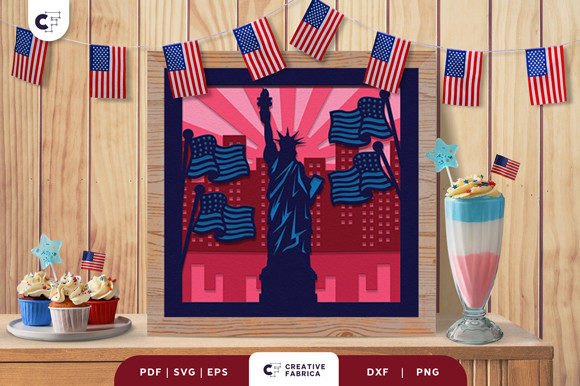
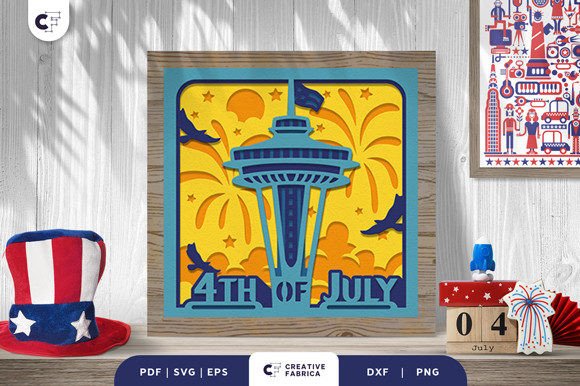
When I first opened the preview for the Seattle Tower 3D Shadow Box SVG, the immediate takeaway was its boldness. The description mentions a "bold design," and visually, that translates well. The structure relies on strong geometric lines and distinct layers, which is exactly what you want in a piece intended to mimic a shadow box effect. In embroidery, achieving depth without actual physical layering of fabric requires smart use of fill stitch density and strategic color blocking. This design seems to lean into that aesthetic, creating a sense of dimension that flat vector art often lacks.
The mood here is celebratory yet structured. Given its categorization under Independence Day, the design carries a patriotic weight, but the architectural subject matter keeps it grounded. It feels less like a generic holiday clipart and more like a commemorative piece. For a designer, this distinction is crucial. It means the finished product can transcend the specific holiday and serve as year-round decor or apparel for anyone with a connection to Seattle. The visual personality suggests stability and pride, making it a strong candidate for items meant to be kept and cherished rather than worn once and discarded.
Real-World Application: The Tote Bag Test
To truly evaluate this digital embroidery file, I imagined a specific real-life scenario that many Etsy sellers and craft business owners face daily: creating a limited run of custom tote bags for a local boutique or a summer market stall. Tote bags are tricky. They often have a canvas texture that can fight against fine details, and they need to withstand the weight of groceries without the stitching distorting.
In this context, the Seattle Tower 3D Shadow Box SVG shines because of its defined shapes. If I were stitching this onto a heavy-duty canvas tote, the bold outlines would prevent the design from getting lost in the weave of the fabric. Unlike delicate applique design work that might fray or require excessive satin stitching along tiny edges, this design's blocky nature suggests it would hold up well to frequent use. Imagine a customer walking out of a shop with this bag; the clear definition of the tower makes it instantly recognizable even from a distance. It adds perceived value to the small shop product, signaling that thought went into the selection of the design assets.
Beyond tote bags, I could see this working exceptionally well on sweatshirt embroidery. The thick fleece of a hoodie provides a plush background that complements the "shadow box" illusion. However, one must be careful with stitch density. If the fill areas are too dense on a stretchy garment, the fabric will pucker, ruining the clean lines. A prudent designer would test this on scrap fleece first to ensure the stabilizer choice is adequate.
Navigating Technical Challenges
While the design has strong potential, no embroidery project is without its pitfalls. There are specific scenarios where the Seattle Tower 3D Shadow Box SVG requires extra caution. For instance, if you are planning to use this on a cap, the curved surface can distort rectangular or square-heavy designs. The "shadow box" effect relies on straight, parallel lines to create depth; if those lines warp over the front panel of a hat, the 3D illusion breaks, and the tower might look tilted or misshapen.
Similarly, size matters. If you are working with a small hoop size, you must verify that the intricate details of the tower do not become indistinguishable blobs of thread. Tiny lettering or minute structural details often disappear when scaled down below three or four inches. Before offering this as a personalized gift option for baby clothes or small patches, I would strongly advise running a test stitch-out at the smallest intended size. Check the running stitch outlines and the transition between thread colors. On dark fabrics, ensure there is enough contrast; a dark tower on a navy sweatshirt might vanish unless the design includes a light-colored backing or border.
Another consideration is the fabric texture. While canvas and fleece are forgiving, trying this on a thin, silky blouse or a highly textured linen could yield mixed results. The stabilizer becomes your best friend here. For a project like this, using a cut-away stabilizer is often safer than tear-away, especially if the custom apparel is meant to last through multiple washes. The tension of the stitches needs constant support to maintain that crisp, shadow-box look.
Commercial Viability and Brand Consistency
For commercial embroidery professionals and digital product sellers, the consistency of the design is paramount. When a customer buys an item featuring the Seattle Tower 3D Shadow Box SVG, they are buying a piece of your brand's reputation. If the stitching is messy or the colors bleed into each other due to poor digitizing, it reflects poorly on your craft business. Fortunately, the structural integrity of this design suggests it can maintain brand consistency across different products, from kitchen towels to pillow covers.
The "3D" aspect mentioned in the title is particularly valuable for marketing. In a sea of flat, two-dimensional logos, a design that offers visual depth stands out in printable mockup galleries and social media feeds. It catches the eye. For an Etsy seller, this visual pop can be the difference between a scroll-past and a click-through. It implies a higher level of craftsmanship, allowing you to potentially price your finished product at a premium compared to standard flat embroidery.
Final Designer Notes and Recommendations
Before you integrate the Seattle Tower 3D Shadow Box SVG into your production line, here are a few practical steps I recommend. First, always test the design on scrap fabric that matches your final material. Check the thread tension and look for any gaps in the fill stitches that might reveal the fabric underneath. Second, review the color separation. Does the design rely on specific thread colors to create the shadow effect? If so, deviating from the suggested palette might flatten the image.
Also, verify the licensing terms. Just because a file is available for purchase does not automatically grant unlimited commercial rights. Ensure you are cleared to sell items featuring this Independence Day themed artwork, especially if you plan to mass-produce them for the summer season. Finally, consider the end-user experience. Will this design survive a trip through the washing machine? If it is destined for a baby embroidery project or a frequently used apron, durability is non-negotiable.
In conclusion, the Seattle Tower 3D Shadow Box SVG offers a compelling blend of thematic relevance and structural design. It is not just a holiday graphic; it is a versatile element that, when handled with technical care, can elevate a wide range of handmade products. Whether you are decorating a tote bag design for a tourist shop or creating a unique holiday embroidery piece for a client, this file has the potential to deliver professional results. Just remember: the secret to great embroidery lies not just in the file you buy, but in the preparation and testing you do before the first stitch drops.