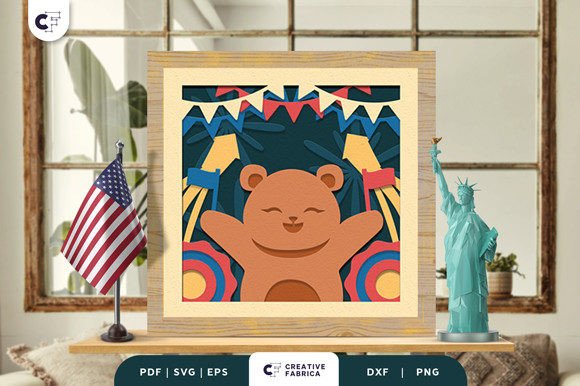
Patriotic Kitten 3D Shadow Box Paper Cut Review
As a designer who spends more time at the hoop than away from it, I am always skeptical of "cute" holiday designs that promise charm but deliver stitching nightmares. When I first pulled up the Patriotic Kitten 3D Shadow Box Paper Cut on my screen, my initial reaction was a mix of amusement and professional caution. The concept is undeniably strong: merging the whimsical appeal of a feline with the bold, structured aesthetics of Independence Day decor. However, the execution of a 3D SVG style in a machine embroidery context requires a critical eye. This isn't just about whether the image looks good on a monitor; it is about how those layers translate into thread, stabilizer, and fabric.
First Impressions: Mood and Visual Personality
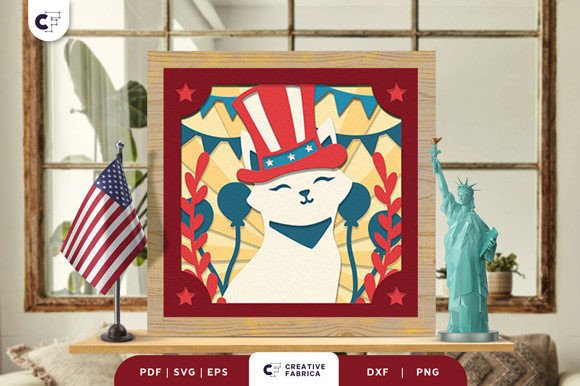
The design immediately establishes a playful yet patriotic mood. It avoids the cliché of simply slapping a flag on a cat; instead, it utilizes the layered depth associated with paper cut art to create dimension. For an embroidery project, this suggests a need for careful color separation and stitch type management. The visual personality is soft enough for baby embroidery but structured enough for adult custom apparel. When I imagine this stitched out, I see a design that relies heavily on the contrast between the subject and the background elements. The "shadow box" effect implies that negative space and layering are key components. If the digitizer has done their job, the transition between these layers should feel seamless, creating an illusion of depth without excessive bulk.
Real-World Application: The Boutique Tote Scenario
To truly evaluate this machine embroidery design, I mentally placed it into a real-life scenario I face often: a rush order for a local boutique needing Fourth of July merchandise. Specifically, I pictured this on a heavy canvas tote bag design. Canvas provides the stability needed for detailed work, and the neutral background allows the red, white, and blue threads to pop.
In this context, the Patriotic Kitten 3D Shadow Box Paper Cut shines as a focal point. A customer walking into a craft fair would likely be drawn to the uniqueness of the 3D aesthetic. It feels less like a generic stock image and more like a bespoke handmade product. The detail level suggests it would work beautifully as a central motif on a tote, perhaps paired with a simple monogram or date below it. For an Etsy seller, this kind of distinct imagery increases perceived value, allowing you to price the finished product higher than a standard flat embroidery item. It tells a story of independence and love for pets, two massive markets that overlap surprisingly well.
Versatility Across Products
Beyond totes, I considered how this embroidery file would perform on other substrates. For sweatshirt embroidery, the design offers a great opportunity to use textured threads or even combine techniques. Imagine the kitten's body done in a soft fill stitch while the patriotic elements utilize a glossy satin stitch to mimic the sheen of ribbon or paper. On a pillow cover intended for seasonal decor, the 3D aspect adds a tactile element that invites touch.
However, versatility comes with caveats. While it might look stunning on a sturdy denim jacket or an apron, I would hesitate to use it on high-stretch fabrics without significant modification. The intricate layers inherent in a shadow box style can become distorted if the fabric moves too much during or after stitching. For holiday embroidery gifts like kitchen towels, one must ensure the back of the design is clean, as towels are handled frequently and turned inside out during washing.
Technical Considerations and Potential Pitfalls
This is where the experienced eye must take over. The term "3D SVG" in the title refers to the vector source, but in embroidery, we are dealing with thread density and underlay. A design mimicking paper cuts often relies on sharp corners and overlapping shapes. In embroidery, sharp inside corners can be problematic if the stitch density is too high, leading to bird nesting or thread breaks.
If you are planning to use this on a cap or a curved surface, proceed with caution. The horizontal span of a shadow box design might exceed the capabilities of a standard cap frame, or the curvature could distort the vertical alignment of the layers. Furthermore, small details—like the whiskers or tiny stars often found in patriotic themes—need to be scrutinized. If these are rendered as tiny running stitch lines, they may vanish on textured fabrics like terry cloth or fleece.
Dark fabrics present another challenge. Unless the design includes a solid underlay or a background block, the negative spaces in the "paper cut" layers might reveal the dark garment underneath, ruining the illusion of depth. Always test your thread colors against the specific fabric weight and color you intend to use. A white thread on navy blue looks crisp, but if the design relies on subtle shading, that contrast might be too harsh.
Designer Notes for Commercial Success
Before committing this design to a client's custom apparel or a batch of embroidered patch products, I adhere to a strict testing protocol. First, stitch the design on a scrap piece of the actual production fabric. Do not skip this step. Check the back of the hoop; excessive pull or puckering indicates that the stabilizer choice was incorrect or the density is too high for that material.
Second, review the licensing terms explicitly. Just because a file is labeled as a digital embroidery file does not automatically grant commercial rights for unlimited sales. Confirm whether the license covers physical goods, digital mockups, or both. For small shop product lines, clarity here prevents legal headaches later.
Finally, consider the washability. 3D-style effects often involve build-up. Will this design survive fifty washes in a commercial laundry, or will the layers begin to fray? For items like baby clothes or frequent-use aprons, durability is paramount. If the design feels too dense, consider reducing the fill percentage slightly to allow the fabric to breathe and move.
Final Verdict on Value and Appeal
The Patriotic Kitten 3D Shadow Box Paper Cut is a compelling asset for the right project. It bridges the gap between trendy digital aesthetics and tangible textile art. When executed correctly on appropriate materials, it elevates a simple garment into a conversation piece. It builds customer trust by showing attention to detail and offers a unique angle for brand consistency if you specialize in pet-themed or holiday-specific goods.
However, it demands respect for the technical limitations of the embroidery machine. It is not a "load and go" design for every situation. It requires a maker who understands fabric texture, hoop size limitations, and the interplay of light and shadow in thread form. For the creative entrepreneur willing to put in the prep work, this design offers a high return on investment in terms of visual impact and marketability. It is a reminder that in our industry, the difference between a good product and a great one often lies in the thoughtful application of the design rather than the design itself.