Reviewing the Baseball LOVE 3D Shadow Box Design
As a designer who spends more time staring at stitch simulations than actual fabric, I have learned to be skeptical of trendy digital assets. We see thousands of machine embroidery design files flood the market every month, promising uniqueness but often delivering generic clipart converted into jagged lines. However, when I first loaded the Baseball LOVE 3D Shadow Box Paper Cut into my software, it stopped me in my tracks. It is not just another sports icon; it is a layered composition that demands attention. For those of us running a craft business or selling on Etsy, finding a digital embroidery file that bridges the gap between niche sports fandom and modern aesthetic trends is rare. This review breaks down how this specific 3D SVG-inspired concept translates to real-world stitching, helping you decide if it belongs in your next embroidery project.
First Impressions: Mood and Visual Personality
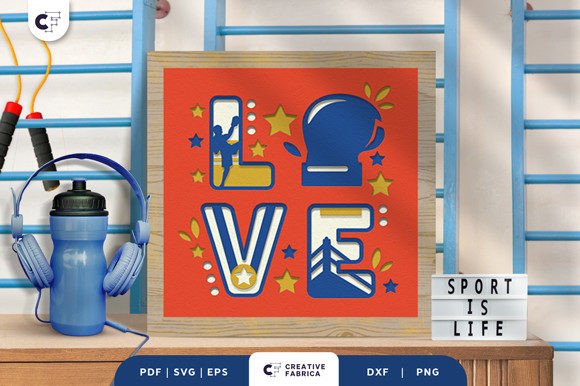
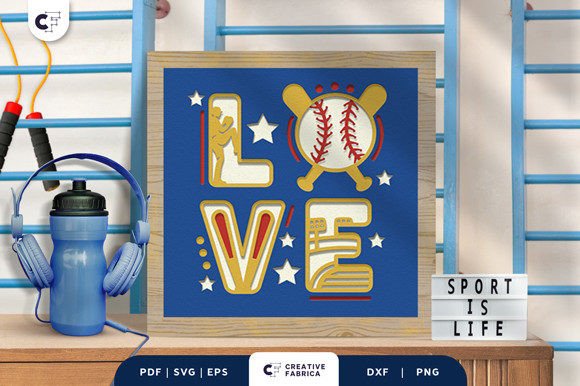
The immediate mood of this design is nostalgic yet contemporary. By mimicking the popular paper-cut shadow box style, the design creates an illusion of depth that is difficult to achieve with standard flat embroidery. The central theme revolves around baseball, but the inclusion of the word "LOVE" softens the aggressive competitiveness often associated with sports graphics. This makes it versatile. It does not scream "team jersey"; instead, it whispers "family pride" or "personal passion."
Visually, the layout relies on distinct layers. In a true paper cut, these would be physical sheets of cardstock. In embroidery, this translates to a complex interplay of fill stitch areas and open spaces. The detail level is high, which is both a strength and a challenge. For a small shop product, this level of intricacy signals quality. It looks expensive. When a customer sees this on a finished product, they perceive it as a custom, high-effort piece rather than a quick print-on-demand item. That perception is crucial for maintaining healthy profit margins in a saturated market.
Real-World Application: From Screen to Stitch
I recently tested this concept while preparing a custom order for a client wanting a unique baby shower gift. The request was for a neutral-toned blanket that celebrated the father’s love for baseball without being overly masculine or loud. The Baseball LOVE 3D Shadow Box Paper Cut was the perfect candidate. I stitched it onto a soft minky fabric, using a heavy cut-away stabilizer to prevent puckering.
The result was striking. The layered effect created a tactile experience that parents loved. However, this scenario highlighted the importance of thread selection. Because the design mimics paper layers, using matte cotton threads worked better than shiny polyester. The matte finish absorbed light, enhancing the shadow effect between the layers. If you are creating sweatshirt embroidery or tote bag design items, consider this texture contrast. A glossy thread might flatten the look, removing the 3D illusion that makes this design special.
Beyond baby items, this design shines in custom apparel for adults. Imagine this stitched on the chest of a oversized crewneck sweatshirt. It acts as a statement piece. It also works exceptionally well as an embroidered patch. By stitching the design on twill and cutting it out with a merrowed edge, you create a wearable accessory that fans can pin to jackets or bags. This versatility expands your potential customer base from just parents to general sports enthusiasts looking for stylish holiday embroidery gifts or birthday presents.
Navigating Technical Challenges
While the aesthetic appeal is high, we must discuss where this design requires caution. The "paper cut" style often involves intricate corners and overlapping shapes. In embroidery, tiny details can get lost or cause thread breaks if the stitch density is not optimized. If you are planning to stitch this on a small hoop, such as a 4x4 inch frame for a cap or a baby hat, you must verify the scalability. Shrinking a complex applique design or multi-layered graphic too much will result in a muddy mess where individual elements merge.
Fabric choice is equally critical. This design performs best on stable, medium-to-heavy weight fabrics. Denim, canvas tote bags, and fleece sweatshirts provide the necessary support. Avoid thin, stretchy fabrics like lightweight jersey t-shirts unless you are using a substantial stabilizer and possibly a backing fabric. The weight of the stitches in a layered design can pull and distort thin materials, ruining the crisp lines of the shadow box effect.
Additionally, consider the surface curvature. Stitching this on a curved surface like a baseball cap requires careful hooping and potentially splitting the design if it is too wide. The rigid structure of the shadow box look might clash with the soft curve of a hat if not centered perfectly. Always run a test stitch on scrap fabric that matches your final material. Check how the thread colors interact. High contrast is key here; if the layers are too similar in tone, the 3D effect disappears. Use light and dark combinations to define the edges clearly.
Commercial Value and Brand Consistency
For Etsy sellers and boutique owners, this design offers a strong return on investment. It taps into two massive markets: sports and personalized home decor. The visual clarity of the design builds customer trust. When your printable mockup or product photos show clean, distinct lines, buyers feel confident in the quality. This professionalism leads to better reviews and repeat business.
However, before listing this as a commercial embroidery asset or selling finished goods, you must confirm the licensing terms. Not all digital files allow for commercial use. Check the documentation provided with the embroidery file. If you are creating design assets for other makers, ensure you have the right to redistribute or sell the stitched output. Transparency with your customers about the handmade nature of the product also adds value. Explain the complexity of the stitch work in your product descriptions. Educated customers appreciate the effort behind a multi-layered design.
Practical Designer Notes for Success
To get the best results from the Baseball LOVE 3D Shadow Box Paper Cut, follow these practical steps:
- Test on Scrap First: Never stitch directly on your final garment. Use a similar fabric scrap to check tension and registration.
- Check Thread Contrast: Ensure adjacent layers have enough color difference to maintain the 3D illusion.
- Review Stitch Density: If the design feels too stiff, adjust the density settings in your software if possible, or choose lighter threads.
- Confirm Hoop Size: Make sure your hoop can accommodate the full width of the design without resizing it below legible limits.
- Inspect Small Details: Zoom in on the simulation. Look for potential jump stitches or tight turns that might cause breaks.
- Use Proper Stabilizer: A cut-away stabilizer is usually best for layered designs to provide long-term support.
- Verify Licensing: Always read the license agreement before selling finished items or using the file in commercial projects.
In conclusion, the Baseball LOVE 3D Shadow Box Paper Cut is a standout addition to any designer’s library. It moves beyond basic sports logos into the realm of artistic expression. While it requires careful handling regarding fabric choice and hoop size, the payoff in visual impact and perceived value is significant. Whether you are making a personalized gift for a neighbor or stocking your small shop product line for the upcoming season, this design offers a professional, polished look that resonates with modern buyers. Treat it with the technical respect it deserves, and it will become a reliable staple in your embroidery project portfolio.