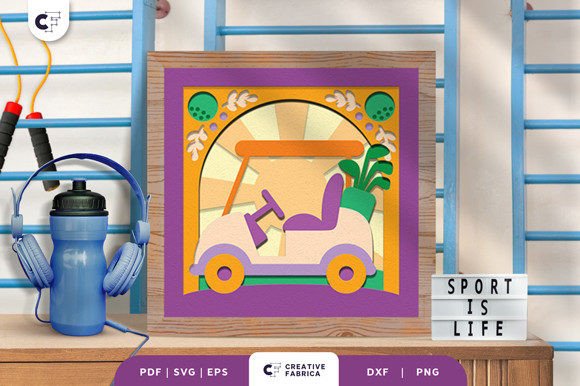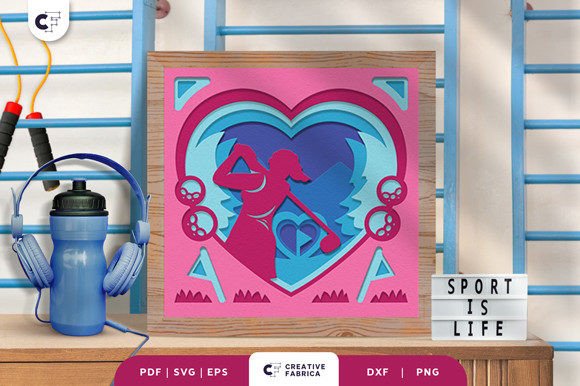
Golf 3D Shadow Box Layered Paper Cut Review
As a designer who spends more time staring at stitch maps than actual landscapes, I am always skeptical when I see "3D" or "Shadow Box" in a product title for digital assets. Usually, these terms imply a complicated layering process that looks great on a screen but turns into a threading nightmare on the machine. However, after pulling the Golf 3D Shadow Box Layered Paper Cut into my workspace, my initial cynicism gave way to genuine appreciation for its structural logic. This isn't just another flat silhouette; it is a thoughtfully constructed embroidery file designed to create depth without requiring five different hoops or a degree in engineering.
First Impressions: Depth Without the Drama
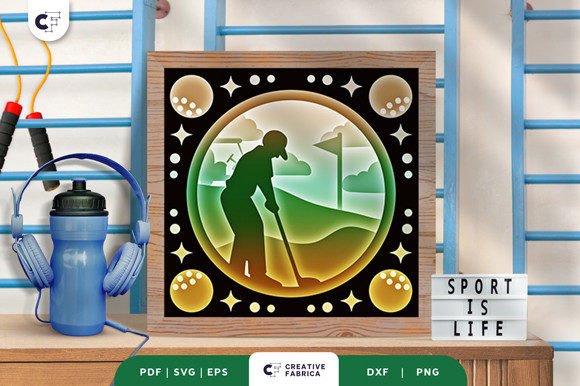
The moment you unzip the folder and preview the Golf 3D Shadow Box Layered Paper Cut, the mood is immediately clear: modern, clean, and slightly whimsical. The design leans heavily into the popular paper-cut aesthetic, where layers of color simulate shadows and dimension. For those of us in the Sports category, golf designs can often feel cliché—think generic flags or overly realistic clubs. This design avoids that trap by focusing on shape and negative space.
The layout suggests a scene rather than a simple icon. Whether it features a golfer mid-swing against a rolling landscape or a stylized course view, the separation of elements is key. In a real-world embroidery project, this separation allows you to play with fabric textures behind the stitches, effectively creating that "shadow box" feel physically, not just digitally. The visual personality is sophisticated enough for a boutique logo but playful enough for a personal gift.
Real-World Application: The Custom Tote Scenario
To truly test the viability of this 3D SVG derived design, I imagined a specific client request: a local country club needed branded merchandise for their spring tournament. They wanted something better than the standard left-chest logo. I envisioned using the Golf 3D Shadow Box Layered Paper Cut on a heavy canvas tote bag design.
Here is how the workflow plays out in my head. Because the design relies on layers, I would select a neutral base fabric for the bag, perhaps a natural cotton or a deep navy. The beauty of this specific file is that the "layers" are defined by stitch boundaries. If I were executing this as a multi-color machine embroidery design, I would treat the background layer as a large fill stitch area, while the foreground elements—the golfer or the trees—would utilize tighter densities or even satin stitch borders to make them pop.
The result? A finished product that looks like an appliqué but behaves like a direct stitch. For the customer, this translates to high perceived value. It doesn't look like a decal ironed on; it looks like art stitched directly into the fabric. This kind of attention to detail builds customer trust and justifies a higher price point for your craft business.
Fabric Considerations and Technical Challenges
While the design is stunning, practical judgment requires us to talk about where it might struggle. The "layered" nature of the Golf 3D Shadow Box Layered Paper Cut means there are likely distinct color stops and potential jump stitches if not managed correctly.
- Stretchy Fabrics: If you plan to put this on a performance polo or a thin jersey sweatshirt embroidery project, proceed with caution. Large fill areas can cause puckering on stretchy materials. You will need a robust cut-away stabilizer to maintain the integrity of the layers.
- Small Hoop Sizes: Depending on the specific size variant you download, check the dimensions carefully. If the design is wide to accommodate the "landscape" feel of a shadow box, it might not fit in a standard 4x4 hoop. Always verify the hoop size requirements before committing to a cap or a small pocket.
- Dark Fabrics: One of the strengths of this design is its bold shapes, which generally hold up well on dark backgrounds. However, ensure your thread colors have enough contrast. A dark green layer on a black shirt might get lost, defeating the purpose of the 3D effect.
For curved surfaces like caps, the density of the stitch map becomes critical. If the stitch density is too high in the overlapping sections, the needle may struggle to penetrate the multiple layers of fabric and stabilizer, leading to broken needles or bird nests. I always recommend running a test on scrap fabric that matches your final garment weight.
Commercial Viability for Etsy Sellers and Makers
For the Etsy seller or the owner of a small shop product line, versatility is currency. The Golf 3D Shadow Box Layered Paper Cut shines here because it bridges the gap between niche sports gear and general home decor.
Imagine offering this not just on apparel, but as a framed piece. Since the design mimics paper cutting, stitching it onto a stiff felt or linen and framing it creates an instant personalized gift for a retirement party or a Father's Day present. The "shadow box" theme translates perfectly to physical framing, allowing you to sell a handmade product that feels gallery-worthy.
Furthermore, for those selling digital embroidery files or design assets, this type of file is a strong addition to a portfolio. It demonstrates an understanding of modern trends (paper cut art) applied to a traditional medium (embroidery). When creating printable mockups for your shop, this design photographs exceptionally well because the simulated shadows add depth even in 2D images, increasing click-through rates.
Designer Notes for Success
Before you commit to production, keep these practical tips in mind to ensure the Golf 3D Shadow Box Layered Paper Cut performs as expected:
- Check the License: Always confirm the licensing terms provided with the download. Can you use it for commercial embroidery projects? Are there limits on the number of physical items you can sell?
- Thread Contrast: Don't be afraid to deviate from the suggested color chart. Sometimes swapping a light green for a metallic gold thread in the foreground layer can elevate the design from "cute" to "luxury."
- Stabilizer Strategy: For the best results on textured fabrics like towels or aprons, use a water-soluble topping. This prevents the stitches from sinking into the pile, keeping the crisp lines of the "paper cut" look intact.
- Test Runs: Stitch a sample on white and black fabric. This helps you see how the design handles light absorption and whether the layering effect is visible on both ends of the spectrum.
In conclusion, the Golf 3D Shadow Box Layered Paper Cut is a standout asset for designers looking to add dimension to their work without overcomplicating the stitching process. It respects the limitations of the machine while pushing the boundaries of visual style. Whether you are outfitting a pro shop, creating holiday embroidery gifts, or expanding your custom apparel lineup, this design offers a professional finish that customers will notice and appreciate. Just remember: the magic is in the execution, so prep your stabilizer, choose your threads wisely, and let the layers do the talking.