Review: 3D Spider Web Layered Paper Cut SVG for Embroidery
As a designer who spends most of the year balancing client deadlines with personal creative exploration, I approach seasonal files with a mix of excitement and skepticism. Halloween is right around the corner, which means the rush for spooky decor and custom apparel is about to hit full swing. Today, I am taking a close look at the 3D Spider Web Layered Paper Cut SVG. While the product title suggests a paper-crafting origin, my job is to evaluate how this specific asset translates into a tangible machine embroidery design for real-world projects. Does it hold up under the needle, or is it strictly for digital cutting machines? Let's dive into the practicalities.
First Impressions and Visual Mood
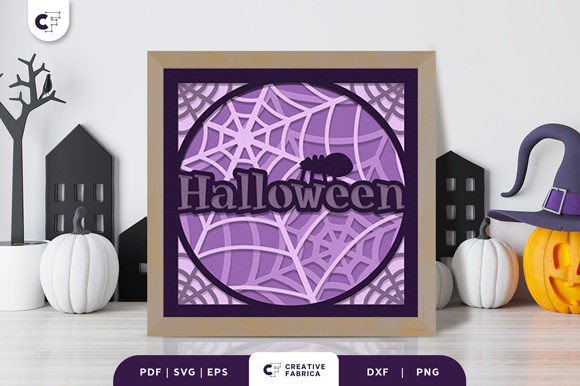
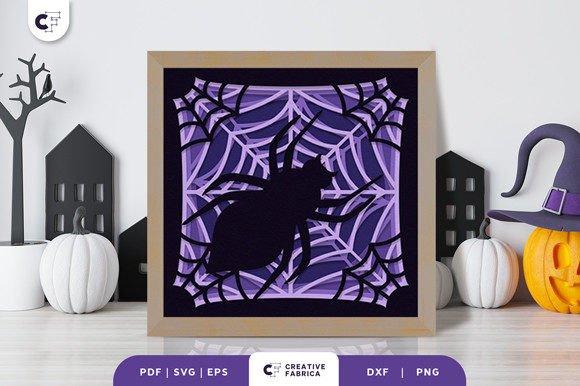
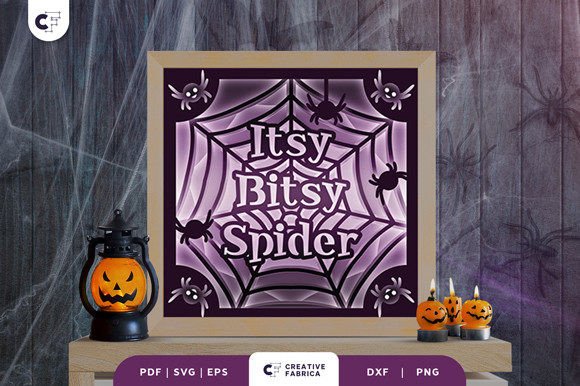
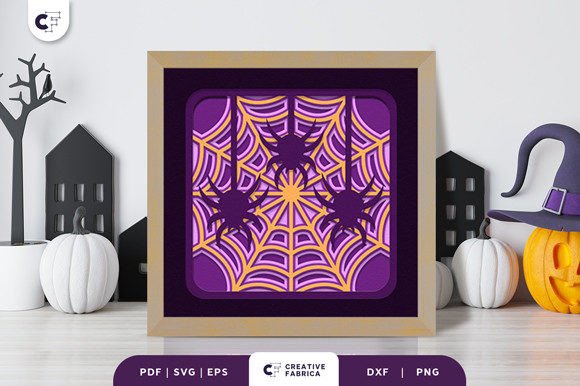
The moment you open the file, the intention is clear: this is about depth and atmosphere. The "layered" aspect of the 3D Spider Web Layered Paper Cut SVG immediately suggests a design built on overlapping elements rather than a flat, single-color outline. For an embroidery project, this visual personality translates beautifully into texture. The mood is undeniably creepy yet elegant, avoiding the cartoonish trap that many Halloween designs fall into. It feels sophisticated enough for a boutique home decor item but playful enough for a child's sweatshirt.
The layout typically features concentric or intersecting web lines that create a sense of movement. In a digital preview, these layers look sharp, but the real test is how they behave when converted into stitch types like satin stitch for the outlines and fill stitch for the denser web sections. The visual appeal here relies heavily on contrast. If you are planning to use this as a digital embroidery file for a dark garment, you will need to ensure your thread colors pop against the background to maintain that "3D" illusion without actual foam padding.
Real-World Application: The Custom Tote Bag Scenario
To truly understand the value of this asset, I imagined a specific client request: a limited-run series of reusable tote bags for a local farmer's market with a Halloween twist. The client wanted something that felt handmade but professional. The 3D Spider Web Layered Paper Cut SVG seemed like the perfect candidate for a tote bag design.
In this scenario, the layered nature of the web allows for creative thread work. I would recommend using a variegated thread for the outer layers to simulate shadow and depth, while using a solid, high-sheen rayon for the inner webs to make them stand out. This approach turns a simple embroidery project into a piece of art. When stitched onto a heavy canvas tote, the design adds significant perceived value. Customers are far more likely to engage with a product that looks complex and thoughtful compared to a standard printed graphic. For an Etsy seller or small shop owner, this kind of detail justifies a higher price point and builds brand consistency.
Performance on Different Fabrics and Surfaces
Not all fabrics play nice with intricate web patterns. When considering this design for custom apparel like t-shirts or baby clothes, you must be mindful of stitch density. A dense web pattern on a thin, stretchy fabric can cause puckering or restrict the natural drape of the material. If you are attempting baby embroidery, I strongly advise testing the design on scrap fabric first. You may need to reduce the density in your embroidery software or use a heavier cut-away stabilizer to prevent the stitches from pulling the fabric out of shape.
For textured fabrics like towels or blankets, the running stitches that often define the finer details of a spider web might get lost. In these cases, increasing the stitch width or opting for a slightly larger hoop size to scale up the design can help maintain clarity. Conversely, curved surfaces like caps present a unique challenge. The rigid structure of a cap front is great for stability, but the curvature can distort the circular nature of a web. Careful hooping and potentially breaking the design into smaller sections for stitching might be necessary to keep the layers aligned perfectly.
Commercial Viability and Product Value
For those running a craft business, the versatility of the 3D Spider Web Layered Paper Cut SVG is a major asset. It works exceptionally well for holiday embroidery on pillow covers, aprons, and even embroidered patches that can be ironed onto jackets. The "paper cut" aesthetic is currently very trendy in home decor, so translating that look into thread gives your finished product a modern, artisanal feel.
However, commercial success depends on execution. A poorly stitched web looks like a mess of threads rather than a deliberate design. To ensure customer trust and professionalism, pay close attention to the corners and intersections of the web. These are high-risk areas for thread breaks or bird nests if the machine tension isn't dialed in. Using high-quality thread colors that resist fading after washing is also crucial, especially for items like kitchen towels or aprons that will see frequent use. A faded, frayed web ruins the spooky vibe and reflects poorly on your small shop product quality.
Practical Designer Notes and Precautions
Before you commit to stitching this on a final garment, there are several technical checks you should perform. First, verify the licensing terms. Just because a file is labeled as an SVG does not automatically grant you the right to sell physical goods made with it, let alone resell the design assets themselves. Always confirm whether the license covers commercial embroidery projects.
- Test on Scraps: Always stitch out the design on a scrap piece of the exact fabric you intend to use. This reveals issues with pull compensation and stabilizer needs.
- Check Contrast: View your design in black and white mockups to ensure the layers are distinguishable without relying solely on color.
- Review Density: If the web looks too solid, manually reduce the fill density in your software to allow the fabric texture to show through, enhancing the "cutout" effect.
- Stabilizer Selection: For stretchy fabrics, use a cut-away stabilizer. For stable woven fabrics like linen or canvas, a tear-away might suffice, but err on the side of support for layered designs.
- Detail Inspection: Zoom in on the tiniest corners of the web. If they are too small for your needle size, simplify the path or enlarge the overall design.
Ultimately, the 3D Spider Web Layered Paper Cut SVG is a strong contender for your Halloween collection, provided you treat it with the technical respect it requires. It offers a unique blend of modern graphic design and traditional textile art. Whether you are creating a personalized gift for a friend or stocking inventory for a holiday craft fair, this design has the potential to elevate your work from generic to exceptional. Just remember, the difference between a good design and a great handmade product often lies in the preparation and the precision of the stitch.