Golf Player Paper Cutting Light Box: A Designer's Review
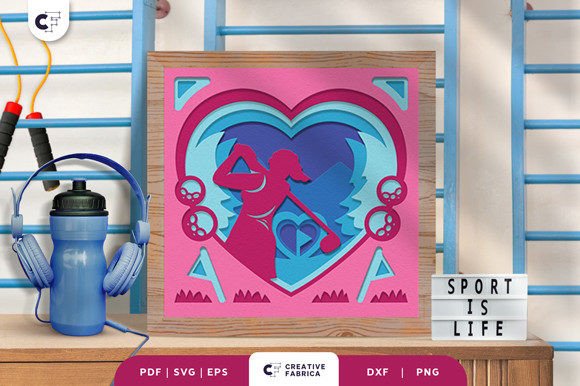
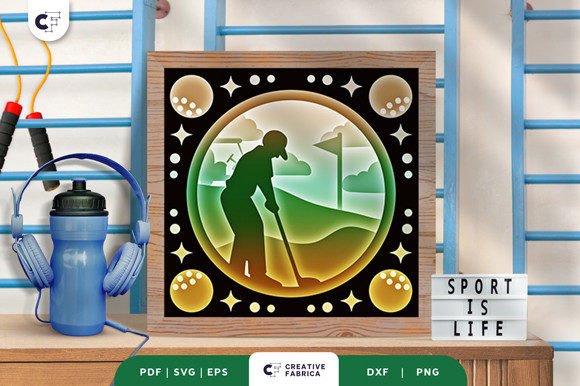
When I first opened the folder for the Golf Player Paper Cutting Light Box, my initial reaction wasn't just about the visual appeal of the preview image; it was an immediate mental shift to how this 3D SVG concept would translate into thread. As someone who spends hours tweaking digitizing settings and testing fabrics, I look at every new machine embroidery design through a lens of practicality. This isn't just a pretty graphic; it is a potential asset for a craft business or a standout piece for a client's custom order. The mood here is distinctively sporty yet elegant, capturing the quiet focus of a golfer mid-swing while incorporating a layered, shadow-box aesthetic that suggests depth even before a single stitch is laid down.
Translating the 3D Concept to Stitch
The core challenge with any design labeled as a "light box" or featuring a 3D SVG structure is maintaining that illusion of depth without creating a bulky, unmanageable mess on the fabric. In reviewing the Golf Player Paper Cutting Light Box, the layout feels intentional. The separation of elements suggests a natural workflow for layering colors or perhaps even incorporating actual paper-cutting techniques alongside embroidery for mixed-media projects. However, for pure embroidery application, the design relies heavily on clean lines and distinct color blocks to achieve its effect.
Visually, the design exudes a professional calm. It fits perfectly within the Sports category but avoids the aggressive, high-energy vibe of contact sports. Instead, it offers a refined look suitable for boutique branding or personalized gifts. When I imagine this stitched out, I see crisp satin stitch borders defining the player's silhouette against a softer fill stitch background. The success of this embroidery project will hinge on how well those transitions are managed. If the digitizing is tight, the result is a premium-looking graphic that elevates a simple garment into a statement piece.
Real-World Application Scenarios
To truly evaluate the Golf Player Paper Cutting Light Box, I ran through several real-life scenarios where this design could shine. Imagine a local golf pro shop needing custom apparel for their staff. A navy blue polo shirt featuring this design on the left chest would look incredibly sharp, provided the scale is adjusted correctly. Alternatively, consider the booming market for personalized baby items. A soft, neutral-colored onesie with this motif could serve as a unique "future champion" gift, moving away from cliché text-heavy designs to something more artistic.
For Etsy sellers and handmade shop owners, the versatility here is promising. This design could easily become the centerpiece of a tote bag design for a golf tournament goodie bag. The structural nature of the "light box" concept implies it would also work beautifully on home decor items like pillow covers or wall hangings, where the fabric has less stretch and more stability. I can also see this working as an embroidered patch. If you digitize the edges for a merrow border or a tight satin finish, this becomes a collectible item for golf enthusiasts to iron onto jackets or bags.
Another strong contender for this design is sweatshirt embroidery. The thicker fabric of a crewneck provides a stable canvas that can handle the density required to make the "sparkling" or layered effects pop. For holiday gifts, pairing this with metallic threads could enhance the "shine" mentioned in the product description, creating a festive yet sporty finished product that recipients would actually wear.
Technical Considerations and Fabric Choices
While the potential is high, a responsible designer must address the limitations. The Golf Player Paper Cutting Light Box likely contains fine details that demand respect regarding stitch density. If you are working on textured fabrics like pique knit polos or waffle-weave towels, those tiny details might get lost or cause puckering. It is crucial to test the design on scrap fabric that matches your final material before committing to a client's garment.
Curved surfaces present another hurdle. Applying this to a cap requires careful hoop placement and potentially resizing the design to fit the limited front panel area without distorting the golfer's proportions. On stretchy fabrics, the use of a high-quality cutaway stabilizer is non-negotiable. You want the design to remain crisp after multiple washes, not sink into the fabric or cause the material to ripple.
Color contrast is another vital factor. The design's effectiveness relies on the separation of layers. On dark fabrics, you may need to adjust the underlay or add a backing layer to ensure the lighter colors in the golf player's attire don't disappear. Conversely, on white or light fabrics, ensure that the outline stitches are dark enough to provide definition. Running a black-and-white mockup test can reveal if the design holds its shape without relying solely on color differences.
Value Proposition for Commercial Use
From a business perspective, the Golf Player Paper Cutting Light Box offers a strong return on investment if utilized correctly. It taps into a niche market—golfers—who are often willing to pay a premium for high-quality, personalized gear. Unlike generic clip art, this design carries a specific aesthetic that suggests professionalism and attention to detail. This enhances brand consistency for shops selling custom apparel and builds customer trust.
For digital product sellers, offering this as part of a bundle with matching fonts or monogram frames could increase the perceived value of your design assets. However, always verify the licensing terms. Just because a file is available doesn't mean it is cleared for unlimited commercial reproduction. Ensure you have the rights to sell the finished product or the digital embroidery file itself.
Final Verdict and Designer Notes
In conclusion, the Golf Player Paper Cutting Light Box is a compelling addition to a Sports-themed library. Its strength lies in its ability to bridge the gap between modern graphic design trends and traditional embroidery techniques. It is not a "set it and forget it" file; it rewards the user who takes the time to select the right thread colors, stabilize the fabric properly, and choose the appropriate hoop size.
Before stitching, I recommend checking the file formats to ensure compatibility with your machine. Inspect the small details closely—are there tiny running stitches that might break? Is the lettering legible at smaller sizes? These are the questions that separate a hobbyist attempt from a professional handmade product. If you approach this design with a critical eye and a willingness to test, it has the potential to become a bestseller in your shop or a cherished keepsake in a customer's closet. It is a reminder that in embroidery, as in golf, precision and preparation are everything.