Review: Happy Thanksgiving Turkey 3D SVG for Pros
As a designer who spends more time staring at stitch maps than most people spend watching television, I approach every new machine embroidery design with a mix of curiosity and skepticism. We have all downloaded files that looked perfect on the screen but turned into a bird's nest of thread breaks and puckering on the hoop. So, when I pulled up the Happy Thanksgiving Turkey 3D SVG, my first instinct wasn't to click "buy" immediately, but to analyze its potential for real-world application. This isn't just about having a cute graphic; it is about whether this digital embroidery file can hold up under the needle of a commercial machine and satisfy a paying customer.
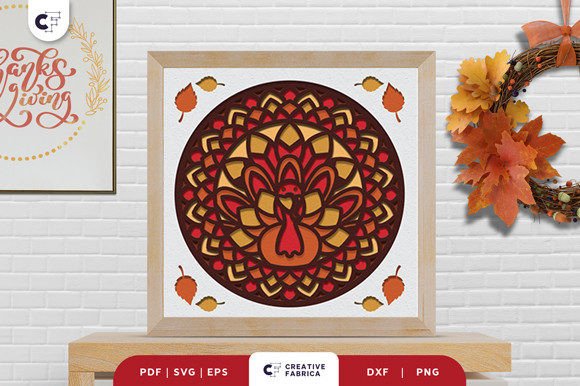
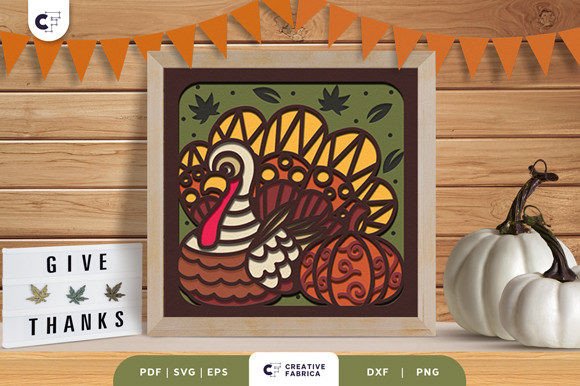
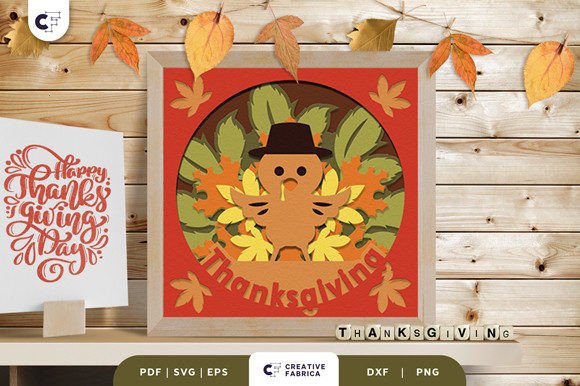
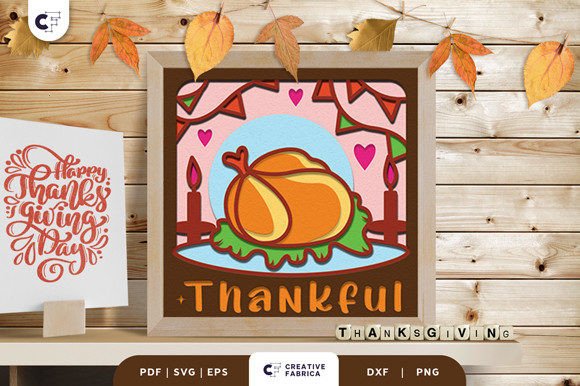
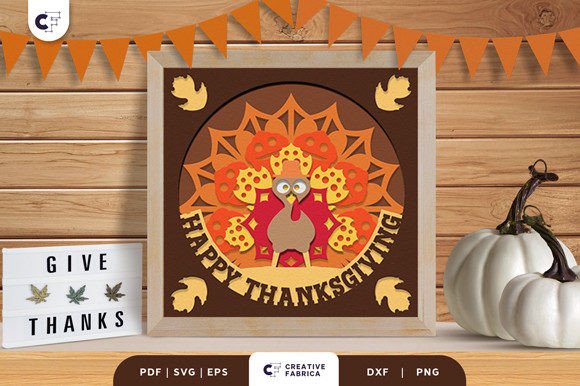
The first impression of this design is undeniably cheerful. The description promises a "captivating Turkey 3D Shadow Box" effect, and visually, the cartoon turkey radiates the kind of happiness that fits perfectly into the current trend of whimsical holiday decor. However, in the world of commercial embroidery, cuteness alone does not pay the bills. The layout suggests a layered approach typical of 3D projects, which immediately raises questions about registration and fabric stability. For an Etsy seller or a boutique owner, the visual personality of this piece is strong—it screams "handmade" without looking amateurish, provided the execution is precise.
Putting the Design to the Test: A Real-World Scenario
To truly evaluate the Happy Thanksgiving Turkey 3D SVG, I imagined a specific client request that many of us face this time of year: a custom order for a local bakery needing branded aprons and tote bags for their staff during the holiday rush. They wanted something festive but durable enough to withstand weekly washing. This scenario is the perfect stress test for any embroidery project.
If I were stitching this onto a canvas tote bag design, the structure of the bag would support the layers well. The 3D aspect relies on clean separation between the background elements and the foreground turkey. On a flat, sturdy surface, the shadow box effect would pop, creating a tactile finish that customers love to touch. However, translating this to a cotton-poly blend apron introduces variables. The stitch density in the turkey's feathers and body needs to be balanced. If the fill stitch areas are too dense, the fabric will pucker, ruining the 3D illusion. If they are too light, the backing will show through, making the finished product look cheap.
For sweatshirt embroidery, the stakes are even higher. A fleece or French terry fabric has a nap that can swallow small details. In this specific design, the cartoon nature of the turkey works in our favor here; large, bold shapes generally translate better to textured fabrics than intricate realism. Yet, one must be cautious with the running stitch outlines. On a stretchy sweatshirt, a standard running stitch might sink in. A slightly wider satin column or a careful choice of thread colors with high contrast against the garment would be necessary to maintain definition.
Navigating Fabric Challenges and Hoop Limitations
While the Happy Thanksgiving Turkey 3D SVG shines on stable materials, there are scenarios where I would advise caution. If you are planning to use this as a baby embroidery piece on a soft onesie, you must consider the comfort factor. 3D designs often involve multiple layers of thread and potentially stiff stabilizers. For infant skin, less is often more. You might need to adapt the design, perhaps omitting the deepest shadow layers to reduce bulk, ensuring the personalized gift remains wearable.
Another critical consideration is the hoop size. 3D shadow box designs frequently require larger hoops to accommodate the offset layers. Before committing to a production run, verify the maximum dimensions required by the file. Trying to force a large multi-layer design into a small 4x4 hoop on a curved surface like a cap is a recipe for disaster. The tension required to keep the cap steady combined with the height of the 3D stitches could lead to needle breaks or misalignment. For hats, I would recommend testing a simplified version or ensuring your machine's frame can handle the thickness without hitting the presser foot.
Dark fabrics present another hurdle. The vibrant colors described in the preview rely on good lighting and contrast. If stitching this onto a navy or black custom apparel item, ensure the design includes an appropriate underlay or background layer. Without it, the gaps between stitches in the satin stitch borders might reveal the dark fabric underneath, breaking the continuity of the cartoon turkey's form.
Enhancing Brand Value and Customer Perception
Why choose this specific design over a standard flat turkey? It comes down to perceived value. In a crowded marketplace, an embroidered patch or a pillow cover featuring a 3D effect stands out. It signals to the buyer that extra effort and skill went into the creation. For a small shop product line, this differentiation can justify a higher price point. The "shadow box" style mimics the look of framed art, elevating a simple kitchen towel into a piece of holiday embroidery decor that feels giftable and premium.
Furthermore, consistency is key for brand trust. If your craft business specializes in high-quality, detailed work, using a design with poor stitch clarity can damage your reputation. The Happy Thanksgiving Turkey 3D SVG appears to have clean lines and distinct color separations, which helps in maintaining a professional look across different products, from nursery decor to wedding gifts. When a customer sees crisp edges and no stray threads, their confidence in your brand grows.
Essential Notes for the Professional Embroiderer
Before you start stitching this design for profit, here are my practical recommendations based on years of trial and error:
- Test on Scraps First: Never run a 3D design on final goods without a trial. Use the exact same fabric and stabilizer combination you plan to use for the client.
- Check Stabilizer Requirements: 3D effects often demand heavier cut-away stabilizers to support the weight of the additional layers. Do not skimp here, or your design will sag over time.
- Verify Licensing: The description mentions "commercial embroidery projects," but always double-check the specific license terms included with the download. Ensure you are cleared to sell finished items or printable mockups derived from this file.
- Thread Contrast: Review the suggested thread chart. Sometimes the default colors in the software don't translate well to physical thread brands. Adjust the hues to ensure the turkey pops against your chosen fabric texture.
- Inspect Small Details: Zoom in on the digital file. Look for tiny text or minute corners that might not stitch out cleanly at smaller sizes. If the design is too detailed for a small hoop, consider scaling it up or simplifying the path.
- Wash Testing: Since this is likely for items like aprons or towels that will be washed frequently, wash your test sample. Check if the 3D layers lift or if the threads fray. Durability is a major selling point for handmade goods.
In conclusion, the Happy Thanksgiving Turkey 3D SVG offers a delightful blend of festive charm and structural interest that can elevate a range of products. However, its success lies entirely in the hands of the operator. By respecting the limitations of your materials, choosing the right applications, and performing rigorous testing, you can transform this design asset into a best-selling item for your holiday collection. It is a reminder that while the file provides the blueprint, the embroiderer provides the quality.